SMS Marketing for Beginners: A Basic Guide


Published: Mar 13, 2026
.jpg "SMS marketing")
Marketing trends change constantly, but one channel has remained surprisingly powerful: SMS.
If you're exploring SMS marketing, you're looking at one of the most direct and effective ways to communicate with your audience. Text messages are typically opened within minutes, which is why SMS has become a reliable tool for reaching customers quickly and encouraging immediate action.
In this guide, we’ll explain SMS marketing for beginners: what it is, how it works, and how you can start using it effectively. You’ll also learn about the most common types of SMS campaigns, best practices for building a subscriber list, and how to measure the success of your messages.
What Is SMS Marketing?
SMS marketing is a communication strategy where businesses send promotional or informational text messages directly to customers who have agreed to receive them. These messages are delivered through standard mobile text messaging (Short Message Service), which means customers receive them instantly on their phones, without needing to install an app or check an email inbox.
Simply put, SMS marketing allows you to reach your audience quickly through short, direct messages. Businesses use it to share important updates, promote products or services, and encourage customers to take action. These are short, relevant messages that provide value to customers. Since people typically keep their phones nearby throughout the day, text messages are a convenient way to deliver timely information.
For example, companies may use SMS to:
Announce new products or promotions
Send order confirmations or shipping updates
Remind customers about appointments or events
Share exclusive discounts
Provide customer support notifications
Unlike email campaigns that can get lost in crowded inboxes, SMS messages appear directly on a customer's phone screen, making them much more likely to be noticed quickly.
Common Types of SMS Campaigns
There are several types of SMS campaigns that businesses commonly use, depending on their goals and industry.
Promotional messages: These text messages promote products, services, or special offers. For example, a business might send a discount code or announce a seasonal sale.
Transactional notifications: These messages provide important updates related to a customer’s activity, such as order confirmations, delivery updates, or account alerts.
Reminder messages: Businesses often send SMS reminders for appointments, reservations, or upcoming events to reduce no-shows.
Customer engagement messages: Some SMS campaigns focus on building relationships with customers, such as asking for feedback, sending surveys, or sharing loyalty program updates.
Why SMS Marketing Works
SMS marketing is one of the most effective digital marketing channels, and the data clearly shows why. Compared to email, social media, or even push notifications, text messages reach customers faster and generate significantly higher engagement.
Here are a few key reasons why SMS marketing consistently delivers strong results for businesses.
High Open Rates
One of the biggest advantages of SMS marketing is its extremely high open rate.
On average, about 98% of text messages are opened, which is dramatically higher than email marketing, where typical open rates range between 20% and 30%, depending on the industry.
In other words, nearly every message you send via SMS is actually seen by the recipient.
Another important detail is how quickly messages are read. Research shows that around 90% of SMS messages are read within three minutes of delivery. For marketers, this means SMS is one of the few channels where you can reliably reach customers almost immediately.
Instant Delivery and Visibility
SMS messages are delivered directly to the default messaging inbox on a customer’s phone. There are no spam folders, promotions tabs, or algorithms filtering visibility.
Because of this, text messages are usually noticed almost instantly. Many users read them within minutes because mobile notifications appear directly on the lock screen or as push alerts.
This level of visibility makes SMS especially effective for time-sensitive messages, such as:
Flash sales
Appointment reminders
Order updates
Event notifications
Direct Customer Engagement
SMS also generates significantly higher engagement than many other digital marketing methods.
Studies show that SMS campaigns have an average response rate of about 45%, while email response rates are often closer to 6 to 10%.
This means customers are far more likely to reply, click a link, or take action after receiving a text message.
Part of the reason is that texting feels more personal and conversational than other forms of marketing. Since customers already use SMS to communicate with friends and family, business messages naturally feel more direct and immediate.
Higher Conversion Rates Compared to Email
Beyond engagement, SMS marketing also tends to produce higher conversion rates.
Industry data shows that SMS campaigns typically achieve conversion rates between 21% and 32%, while email marketing campaigns often convert at around 2% to 5%.
For businesses, this means that SMS can encourage customers to take action, be it redeeming a promotion, confirming an appointment, or completing a purchase.
This combination of high visibility, strong engagement, and higher conversions is what makes SMS marketing one of the most reliable communication channels available to businesses today.
How SMS Marketing Works
While SMS marketing might seem basic from the outside, successful campaigns typically follow a clear structure: businesses collect customer permission, send targeted messages, and then measure how those messages perform. Here’s how the process usually works:
Collecting Customer Opt-Ins
Before sending any marketing text messages, you must first get permission from customers. This process is called opt-in, and it’s a key requirement in most messaging regulations.
Customers typically opt in by:
Signing up on a website form
Entering their phone number during checkout
Subscribing through a keyword text message
Registering during an in-store promotion
Clicking an SMS subscription option on social media
Once customers opt in, they are effectively giving consent to receive marketing or informational messages from your business. This step is essential not only for compliance with messaging laws but also for building a list of subscribers who actually want to hear from you.
Sending SMS Campaigns
After building your subscriber list, the next step is sending your SMS campaigns.
Businesses typically use specialized platforms or messaging software to create and send messages to their audience. If you’re learning how to do SMS marketing, you’d usually start by writing a short message that includes a clear purpose, such as promoting a sale, announcing an event, or sharing an update.
A typical SMS campaign message might include:
A short promotional message
A discount code or offer
A link to a website or product page
A call-to-action encouraging the recipient to take the next step
Because text messages have character limits, the most effective SMS campaigns are short, clear, and action-oriented.
Tracking Performance and Engagement
Once messages are sent, businesses track how customers interact with them. Most SMS platforms provide analytics tools that help measure campaign performance.
Common metrics include:
Delivery rate: how many messages successfully reached recipients
Open rate: how many recipients viewed the message
Click-through rate: how many users clicked a link in the message
Conversion rate: how many recipients completed the intended action
Tracking these metrics helps businesses understand what works and improve future campaigns.
Types of SMS Marketing Campaigns
SMS marketing can support many different types of campaigns depending on your business goals. Companies often combine promotional messages, reminders, and engagement campaigns to keep customers informed and interested.
Below are some of the most common SMS campaign types businesses use.
Promotional Offers and Discounts
Promotional messages are one of the most popular uses of SMS marketing. Businesses send exclusive discounts, coupon codes, or special offers to encourage customers to make a purchase.
Because text messages are usually opened quickly, promotional SMS campaigns often generate immediate responses from customers.
Example:
“Get 20% off your next order today only. Use code SAVE20 at checkout.”
Flash Sales and Limited-Time Deals
SMS is particularly effective for time-sensitive promotions such as flash sales or limited-time deals.
Businesses can quickly notify subscribers about short promotions that require immediate action. Since customers typically read text messages within minutes, SMS is ideal for campaigns where timing matters.
Example:
“Flash sale! 30% off all items for the next 3 hours. Shop now: [link].”
Appointment Reminders
SMS reminders are widely used in industries such as healthcare, beauty services, and professional services. These messages help reduce missed appointments and improve scheduling efficiency. For example, businesses may send reminders for:
Medical appointments
Salon visits
Consultations
Service bookings
Appointment reminders are often considered one of the highest-performing transactional SMS campaigns because they provide immediate value to the customer.
Customer Feedback and Surveys
SMS can also be used to collect customer feedback after a purchase or service experience.
Businesses may send short surveys asking customers to rate their experience or provide suggestions for improvement. Because text messages are convenient to respond to, they often generate higher response rates than email surveys.
Example:
“Thanks for visiting us! How was your experience today? Rate it here: [link].”
Loyalty Programs and Rewards
Another common SMS campaign involves loyalty programs and rewards. Businesses use text messages to keep customers informed about reward points, exclusive member offers, or special perks. These campaigns help encourage repeat purchases and strengthen long-term customer relationships.
Example:
“You’ve earned 150 reward points! Redeem them for a discount on your next purchase.”
Many businesses manage these types of campaigns using dedicated messaging platforms. When choosing the best SMS marketing tools for beginners, it’s helpful to look for platforms that provide features like campaign scheduling, automation, analytics, and subscriber list management.
How to Build an SMS Subscriber List
A successful SMS marketing strategy starts with a quality subscriber list. Since SMS is a permission-based channel, you can only send marketing messages to people who have agreed to receive them. Here are some of the most effective ways to build an SMS subscriber list.
Website Sign-Up Forms
One of the easiest ways to collect subscribers is through sign-up forms on your website.
You can place these forms in several locations, such as:
Homepage pop-ups
Checkout pages
Landing pages for promotions
Newsletter subscription sections
To encourage sign-ups, many businesses offer a small incentive, such as a discount, free shipping, or exclusive access to promotions.
For example, a website might display a message like:
“Sign up for SMS updates and get 10% off your first order.”
This approach works well because visitors who are already browsing your website are often interested in your products or services.
In-Store Sign-Ups
If you operate a physical location, in-store sign-ups can also help grow your SMS subscriber list.
You can collect phone numbers at:
Checkout counters
Self-service kiosks
Tablet registration forms
Loyalty program registrations
Some businesses also use printed materials such as QR codes or promotional cards, which encourage customers to join their SMS list.
Because customers are already interacting with your business in person, they may be more willing to subscribe to receive updates, offers, or loyalty rewards.
Social Media Promotions
Social media platforms are another great place to promote your SMS list.
You can encourage followers to subscribe by sharing posts that highlight the benefits of joining your SMS program. For example, businesses often promote:
Exclusive discounts for SMS subscribers
Early access to sales
Limited-time offers sent via text
You can include sign-up links directly in your posts, stories, or bio sections to make it easy for followers to subscribe.
Keyword Opt-Ins and Short Codes
Another common method is keyword opt-ins, which allow customers to subscribe by sending a specific keyword to a short phone number, known as a short code.
For example, a promotion might say:
“Text JOIN to 12345 to receive exclusive offers.”
When customers send the keyword, they are automatically added to your subscriber list and may receive a confirmation message asking them to verify their subscription.
Keyword opt-ins are particularly effective for:
Event promotions
Retail campaigns
Outdoor advertising
TV or radio promotions
This makes it easy for customers to subscribe quickly without filling out forms or visiting a website.
SMS Marketing Best Practices for Beginners
Getting started with SMS marketing is relatively simple, but using it effectively requires the right approach. Because text messages are personal and immediate, businesses should focus on sending messages that are relevant, respectful, and valuable to the customer.
If you’re new to SMS campaigns, following these best practices can help you build trust with your audience and improve the results of your messaging strategy.
Always Get Customer Consent
The most important rule in SMS marketing is always obtaining customer consent before sending messages.
Customers must explicitly agree to receive SMS communication from your business. This consent usually happens through a sign-up form, keyword subscription, or another opt-in process.
Sending messages without permission can lead to compliance violations, customer complaints, and even penalties depending on local regulations.
A transparent opt-in process ensures that your messages reach people who actually want to receive them.
Keep Messages Short and Clear
SMS messages are designed to be brief and easy to read. Most marketing messages work best when they are concise and focused on a single objective.
Instead of sending long explanations, aim to communicate:
The main message or offer
A clear call to action
A link for more information if needed
For example:
“20% off today only. Use code SAVE20 at checkout: example.com.”
Short messages are easier to read on the spot and are more likely to generate engagement.
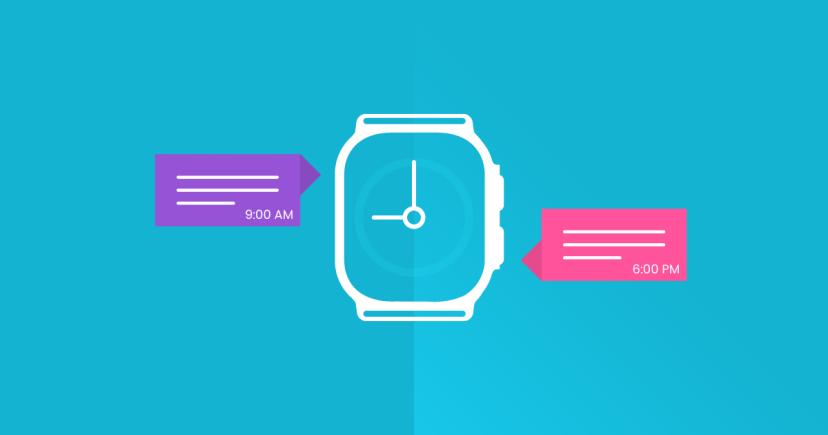
Send Messages at the Right Time
Timing plays a major role in SMS campaign performance.
Sending messages too early in the morning or late at night can frustrate customers and increase opt-outs. Most businesses aim to send messages during normal daytime hours, typically between late morning and early evening.
It’s also important to consider the purpose of the message. For example:
Promotional offers often perform well during shopping hours
Appointment reminders should be sent shortly before the scheduled time
Flash sales may work best during peak online activity
Choosing the right timing can significantly improve how your customers respond to your messages.
Personalize When Possible
Personalization helps SMS messages feel more relevant and engaging.
Even simple personalization, such as including a customer’s first name or recent purchase information, can make the message feel more tailored.
For example:
“Hi Sarah, your order has shipped. Track it here: [link].”
Many SMS platforms allow businesses to personalize messages automatically using customer data. This approach can improve engagement and strengthen customer relationships.
Avoid Over-Messaging
Because SMS is such a direct communication channel, sending too many messages can quickly overwhelm your audience.
Most businesses aim to keep a balanced messaging frequency, making sure that each message provides genuine value to the recipient.
Over-messaging can lead to higher opt-out rates and may damage customer trust. Instead of sending frequent promotions, focus on sending timely and relevant updates that customers will appreciate.
SMS Marketing Compliance and Regulations
SMS marketing is subject to regulations designed to protect consumer privacy and prevent unwanted messaging. Businesses must follow these rules so that their campaigns remain compliant. Understanding these requirements helps protect your brand and maintain customer trust.
Opt-in Requirements
Before sending any marketing text messages, businesses must obtain clear and documented consent from the customer.
This means the customer must actively agree to receive SMS communication. Passive or automatic enrollment is generally not allowed under most messaging regulations.
The opt-in process should clearly explain:
What type of messages the customer will receive
How often messages may be sent
How the customer can unsubscribe
Transparent consent is a core requirement in most SMS marketing regulations.
Opt-out Instructions
Every SMS marketing campaign must give recipients an easy way to unsubscribe from future messages. Most businesses include a simple opt-out instruction, such as:
“Reply STOP to unsubscribe.”
Providing a clear opt-out option is not only a legal requirement in many countries but also an important part of maintaining customer trust.
Data Privacy and Messaging Laws (TCPA, GDPR)
Different regions have specific laws that regulate SMS communication.
For example:
The Telephone Consumer Protection Act (TCPA) in the United States regulates how businesses can send marketing messages and requires documented consent from recipients.
The General Data Protection Regulation (GDPR) in the European Union focuses on protecting personal data and requires businesses to handle customer information responsibly.
These laws ensure that customers have control over how their personal data and phone numbers are used. Businesses should always review the regulations that apply in the regions where they operate before launching SMS campaigns.
Measuring SMS Marketing Success
Once your campaigns are running, you’ll want to track their performance. Measuring results helps you understand which messages are effective and where improvements can be made.
Most messaging platforms, including many of the best SMS marketing tools for beginners, provide built-in analytics to help monitor campaign performance.
Here are the key metrics businesses typically track.
Delivery Rate
The delivery rate measures how many messages successfully reached recipients.
A high delivery rate means that your contact list contains valid phone numbers and that your messages are being properly delivered by your messaging provider. Low delivery rates may indicate outdated phone numbers or formatting issues.
Open Rate
SMS marketing is known for its exceptionally high open rates. Since text messages appear directly on a phone’s messaging screen, most recipients read them quickly after receiving them.
Tracking open rates helps businesses confirm that their messages are reaching and being noticed by customers.
Click-Through Rate
The click-through rate (CTR) measures how many recipients click the link included in your SMS message. A strong CTR shows that the message content and call-to-action are compelling to the audience.
Conversion Rate
The conversion rate measures how many recipients complete the desired action after receiving your SMS message.
This action could include:
Making a purchase
Redeeming a discount code
Registering for an event
Completing a survey
Conversion rates provide the clearest indicator of whether your SMS campaigns are successfully achieving their marketing goals.
Getting Started With Your First SMS Campaign
Launching your first SMS campaign doesn’t have to be complicated. Once you understand the basics of SMS marketing and have the right tools in place, you can start sending messages to your audience in just a few steps.
Here’s a simple process to help you get started.
1. Choose an SMS Platform
The first step is selecting an SMS marketing platform that allows you to manage subscribers, send campaigns, and track results. Most SMS platforms provide features such as contact list management, campaign scheduling, message personalization, and performance analytics. Choosing a reliable platform ensures your messages are delivered quickly and that you can manage your campaigns efficiently.
2. Collect Opt-Ins
Before sending your first campaign, you’ll need to build a list of subscribers who have agreed to receive SMS messages from your business. You can collect opt-ins through several channels, including:
Website sign-up forms
In-store registrations
Social media promotions
Keyword subscriptions via text
Make sure your opt-in process clearly explains what type of messages subscribers will receive and how they can opt out if they choose.
3. Create a Short Campaign Message
Once you have subscribers, the next step is writing your SMS campaign message. SMS messages work best when they are short, clear, and focused on one goal.
For example:
“Weekend sale! Get 25% off today only. Shop now: [link].”
Keeping the message concise helps ensure customers quickly understand the offer and know what to do next.
4. Schedule the Message
Most SMS platforms allow you to schedule messages in advance, which helps ensure your campaigns are sent at the most effective time.
Think about when your audience is most likely to engage with your message. For example, retail promotions may perform better during shopping hours, while reminders are often sent shortly before an appointment or event. Scheduling messages strategically can significantly improve engagement.
5. Track Results and Optimize
After your campaign is sent, it’s important to review the results.
Look at metrics such as delivery rates, click-through rates, and conversions to understand how customers responded to your message. This information can help you identify what worked well and what could be improved in future campaigns. Over time, analyzing your results will help you refine your messaging, timing, and targeting to create more effective SMS campaigns.
To Conclude
SMS marketing has become one of the most reliable ways for businesses to communicate directly with customers. Because text messages are delivered instantly and typically read within minutes, SMS offers a powerful way to share promotions, send reminders, and keep customers informed.
For businesses looking to start or scale their SMS marketing strategy, having the right messaging platform is essential. Dexatel provides reliable messaging infrastructure and tools that help businesses send SMS campaigns, manage subscriber lists, and engage customers more effectively. With the right approach and the right platform, SMS marketing can become a valuable part of your overall communication and marketing strategy.