A Guide to Omnichannel SMS Marketing


Published: Nov 25, 2020
Updated: Nov 10, 2022
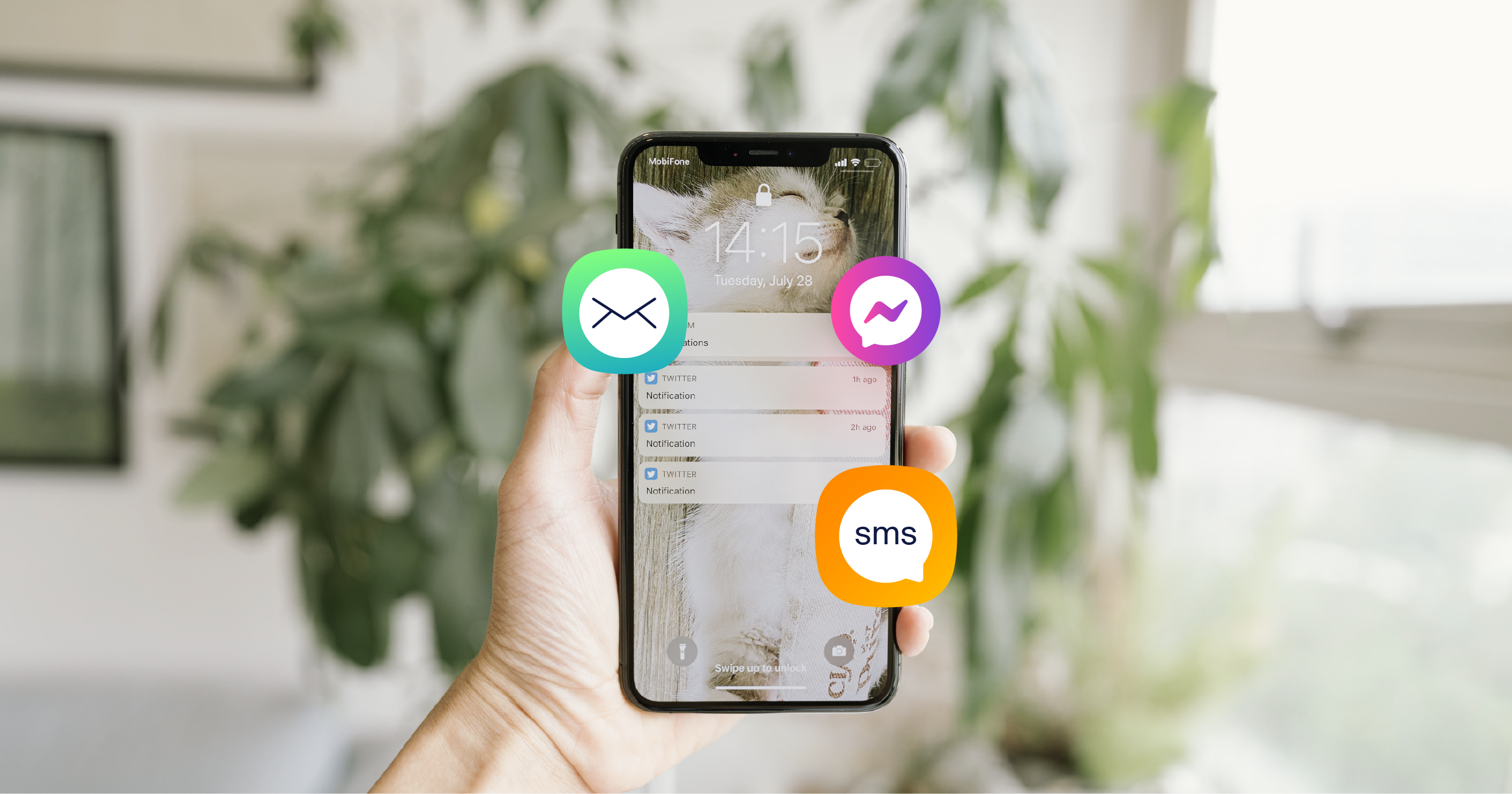
There’s a growing trend around creating omnichannel and multichannel marketing campaigns to enhance the customer experience and build brand awareness. Integrating various channels, omnichannel marketing aims to create consistency when it comes to the brand experience.
The secret to an effective omnichannel strategy is using the right channels. However, one channel that many companies overlook is SMS. While there’s a misconception that consumer insight has outgrown SMS messaging, the numbers say otherwise. SMS messages have a 98% open rate, which is dramatically higher than email open rates.
The importance of SMS in an omnichannel marketing strategy is undeniable. If you’re looking to tap into the power of SMS marketing, follow these tips to integrate it into your omnichannel campaign. But first, it's worth understanding the basics of omnichannel marketing.
What Is Omnichannel Marketing?
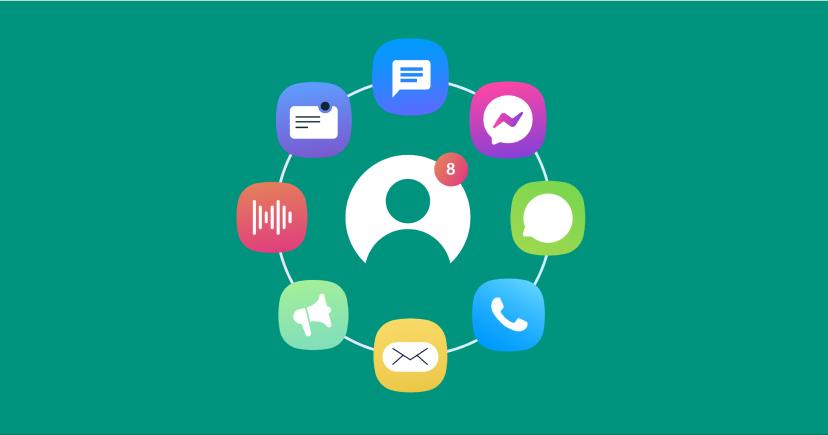
This is the integration of branding, messaging, online, and offline channels for consumers, creating a seamless experience. With a consistent brand experience, consumers can engage with brands via their preferred channels. The more familiar your brand appears to the user, the more invested and loyal they will be.
While this might seem like a foreign concept, it becomes easier to grasp the concept over time. Essentially, it's a cross-channel content strategy that organizations use to improve user experience. The key factors are:
- Consistent approach to consumer
- Personalized messaging based on consumer segmentation
- Identifiable brand
- Seamless user experience
Omnichannel Marketing Strategy
There is no one-size-fits-all approach when it comes to creating an omnichannel strategy. But, the one thing that applies to all strategies is consistency. Using tools and accumulating customer data serve as the base for strategizing your customer journey.
Segmenting users based on their behavior, purchase history, and common patterns helps you create personalized messages for every consumer. If your message is irrelevant to the customer, you just might lose engagement. There are a few things that come in handy when devising a strategy.
Tools
Before selecting to use data gathering or marketing automation tools, you must thoroughly research to find the one that works best for you. These are a few of the tools that can assist you with your omnichannel messaging strategy:
- CRM software
- Customer engagement platform
- Marketing automation
- Social media management solutions
- Data analytics tools
Customer Segmentation
A detailed analysis of consumer behavior helps brands group their audience accurately and determine personalized customer journeys. This doesn’t necessarily mean you have to think of each consumer separately. Instead, you can group your customers and move on from there. This data shows the demographics, buyer personas, buying patterns, customer behavior, preferences, and goals.
Personalization
Personalization is a crucial aspect of your strategy. Thanks to a personalized approach, brands can understand customers and connect with them through their preferred channels. Not only that, but they can also determine the best incentives for their user base and customize the strategy based on the research. And by selecting the right marketing automation tools, personalization can go a long way.
Multichannel vs. Omnichannel Communication
Multichannel communication strategy involves using multiple communication channels, like email, social media, and SMS, to reach customers. However, each channel operates independently without integration, leading to fragmented experiences.
In contrast, an omnichannel communication strategy integrates these channels for a seamless experience across all engagement opportunities. Multi-channel communication focuses on reaching more customers through various platforms, while omnichannel ensures that customer interactions are connected.
Tips for Using Omnichannel SMS Marketing
1. Send SMS From a Desktop
While it’s possible to get work done on a smartphone, it can sometimes be strenuous. For instance, sending an SMS manually from your phone is not only time-consuming; it’s also unclever. Thankfully, you can now send SMS messages via desktop.
Today, apps like AirDroid, Join, and Pulse SMS allow you to send texts from a computer. You can also use Dexatel to send SMS messages from your computer.
2. Get Subscriber Permission
The key to better conversions is getting permission to send messages. This is why it helps to get subscriber buy-in by having them sign up for a service or getting their approval through an opt-in form. 75% of consumers say that they are comfortable receiving SMS messages from brands as long as they voluntarily register. When brands fail to get permission, their messages can often be perceived as spam and hurt brand image.
Get Started Now
Reach your clients now and claim your 30-day free trial. No credit card required.
3. Automate SMS Messaging
Marketers can now automate message sending on virtually any platform—email, social media, direct messaging, and even SMS. It’s super easy to find an omnichannel messaging platform that can help with automating mobile marketing.
Marketers have used SMS marketing tools to create alerts for sales and after-sales. Common examples include reminding customers of payment dues, new offers, sign-ups, loyalty points earned, and others.
Automation often has the disadvantage of sounding canned and impersonal. Since most people perceive SMS as personal and engaging, the strategy can work to your advantage as long as you formulate the message well enough to pass it off as personalized.
4. Mix It up With Emojis
One effective way to keep SMS blasts personal is by involving emojis. With over 3,000 emojis available to users, they’ve become a staple in communication. Emojis provide visual spaces that help break up long chunks of text.
When sending relatively long SMS text messages, it helps to use emojis to relax the reader’s eyes. Emojis like checkmarks and thumbtacks help create bullet points and break up enumerations in your messages. Define which emojis best represent your brand and use them when sending messages to customers and potential leads.
5. Make Use of Virtual Coupons and Vouchers
Price is an underlying factor that affects all marketing, selling, and buying decisions. So, when running an omnichannel marketing campaign, business owners, marketers, and executives must be creative in how they market their products.
Discounts and coupons are highly effective ways to entice a purchase. Almost every player in any industry has used some form of voucher or discount, whether it’s a sticker program to pick up your Starbucks planner or a one-off coupon at your local H&M or Zara branch. Nowadays, large corporations have switched to online coupons to drive purchases.
What’s great about technology today is that smaller businesses can now run loyalty programs and coupons of their own. Online selling platforms like Shopify and WooCommerce have built-in coupon generators that can be used to promote products. And what better way to get the word out than SMS marketing? Informing existing clients or leads who have gone back and forth on buying decisions can be the key to helping them make that decision.
6. Target Recipients by Location
Cell broadcasting is another invention that marketers are actively using. This marketing method sends text messages to a group of people based on their proximity and location.
Let’s say someone with a Spotify account on their smartphone walks within five hundred meters of an event venue. Marketers can set up cell broadcasting messages to send a list of upcoming concerts in that area to that person. This messaging strategy provides an intuitive experience with the proper context, making it highly permissive and relatable.
Brands can use SMS broadcasts to send limited-time offers, coupons, event schedules, reminders, trivia, invitations to like or follow social accounts, and so on.
7. Notify About Specials and Events
When a company or business holds an event, the goal is to get attendees to register or sign up. Most would rely on social media posts, but business owners end up leaving money on the table by limiting their reach.
SMS marketing doesn’t need to be limited to products and services alone; you can also use it to market specials and events. With higher open rates, businesses can easily get more attendees or walk-ins through SMS.
8. Keep Your Options Open
When creating omnichannel retailing or marketing campaigns, it’s always important to keep options open when selecting channels. As marketing technology and innovations regularly evolve, marketers and entrepreneurs need to keep an ear to the ground at all times, looking out for the next big marketing channel. Nevertheless, there is also power in remaining open to tested and proven channels like SMS to boost your brand awareness and business sales.
Advantages of Omnichannel SMS Strategies
Better Retention and Turnover Increase
Cross-channel marketing ensures improvement in customer retention rates. Omnichannel customers are more valuable in the sense that they are the most loyal demographic.
Customer Satisfaction
An omnichannel retailing or marketing strategy helps businesses provide their customers with a personalized experience, whether existing or potential. Companies with omnichannel customer engagement strategies retain on average 89% of their customers. Moreover, these types of campaigns that involved SMS were 47.7% more likely to end in conversion.
Recommendations and References
Potential customers tend to rely on word of mouth. The more existing customers spread positive reviews, the more inclined new customers will be to try out your service or product.
Customer Data
Analyzing and grouping your database can do wonders. Segmentation will help you create the right content for your target group. If your message is irrelevant to the customer or on the wrong channel, you just might lose engagement.
Key Features of Omnichannel SMS Communication That Improve the Customer Journey
1. Dashboards with Real-Time Insights
Dashboards with real-time insights allow businesses to monitor interactions across multiple channels. You get to view metrics like response times, customer satisfaction scores, and issue resolution rates displayed, all of which help optimize customer communication.
These dashboards centralize data from different communication channels so that teams can quickly adjust strategies for better customer experience and faster responses.
2. Skills-Based and Context-Aware Routing
Skills-based routing directs customer queries to the most qualified agent based on their expertise. For example, technical questions are sent to support agents with technical knowledge. Context-aware routing considers former interactions across multiple channels, ensuring customers are connected with agents who have the relevant context. This improves response times and overall customer experience.
3. Integrated CRM for Unified Customer Data
An integrated CRM consolidates client data from all communication channels. Whether a customer engages via email, chat, or phone, all their interactions are accessible in one place. This unified information helps agents provide personalized customer communication and reduce frustration from repeating information.
4. Automation and Personalization
Automation in omni-channel communication handles routine inquiries quickly and efficiently. Chatbots address common questions, while automated emails send personalized messages based on customer history.
Personalized content ensures that communication feels relevant to each customer. Automation speeds up responses, while personalization increases satisfaction.
5. Unified Inbox for Streamlined Customer Communication
A unified inbox collects messages from all communication channels (email, chat, social media) into a single platform. This centralizes customer communication for faster response times and prevents missed inquiries. The inbox gives teams a complete view of the customer’s journey, making communication across multiple channels more consistent and efficient.
6. Cross-Channel Synchronization
Cross-channel synchronization guarantees that all data is updated in real time across all channels. If a customer switches from live chat to a phone call, the agent has access to their past interactions. This synchronization prevents customers from having to repeat themselves.
7. Collaboration Tools for Teams
Collaboration tools within omnichannel communication platforms allow customer service teams to work together smoothly. Teams handling customer inquiries across different channels can quickly share customer data, notes, and response suggestions. This improves coordination, speeds up issue resolution, and improves the customer experience.
How to Create an Omnichannel Communication Strategy
Step 1: Map the Customer Journey Across Channels
The first step in creating an omnichannel communication strategy is mapping the customer journey across all channels. This involves identifying every opportunity where a customer interacts with your brand, from social media and emails to customer support calls and in-app messaging.
For example, a customer may engage via social media for initial inquiries but switch to live chat for detailed support.
Step 2: Integrate and Optimize Communication Channels
Once you’ve mapped this out, the next step for your omnichannel strategy is integrating and optimizing your communication channels. Omnichannel communication relies on a unified system that allows you to manage and track interactions across various channels, including email, SMS, live chat, and push notifications.
Optimizing these channels means aligning them with your brand voice. Take live chat, for instance. Integrating it with in-app messaging confirms that customer queries are addressed quickly, no matter which channel they use.
Automation tools should be implemented to streamline communication for fast responses while still maintaining personalized interactions.
Step 3: Monitor, Adapt, and Improve
An effective omnichannel communication strategy requires continuous monitoring and adaptation. Track customer engagement and interactions across different channels to evaluate performance. Use analytics to understand customer behavior, preferences, and pain points.
Analyzing response times and customer satisfaction scores across channels can highlight areas for improvement. Push notifications, in-app messaging, and follow-up emails should be monitored to ensure they meet customer expectations.
Regularly adapting and improving your strategy based on this data ensures that your omnichannel communication evolves with your customers’ needs. This way, you can maintain high engagement and satisfaction levels.
What Kind of Companies Should Use Omnichannel Communication?
Any business prioritizing client satisfaction, seamless support, and enhanced personalization should adopt omnichannel communication to establish cohesive engagement and foster trust. Companies in industries with frequent client interactions, such as retail, eCommerce, and healthcare, benefit greatly from omnichannel communication.
Retailers and eCommerce brands can use multichannel communication, including push notifications and email, to offer a consistent experience that drives sales and customer loyalty.
Healthcare providers can streamline patient communications while maintaining a strong brand identity. Internet service providers (ISPs) and subscription-based services can resolve customer inquiries faster across multiple channels.